Grinding Sound When Shifting Into Reverse on an Automatic Transmission: Causes, Diagnosis, and When to Worry
A grinding sound when shifting into reverse on an automatic transmission is most commonly caused by low or degraded transmission fluid failing to adequately pressurize the reverse clutch pack before engagement, but it can also indicate a worn reverse clutch band, a faulty reverse shift solenoid, or internal transmission wear that is specific to the […]
Rattling Noise Under the Car Only When the Engine Is Cold: What’s Causing It and Whether You Need to Worry
A rattling sound from beneath the vehicle that occurs when the engine is cold and disappears as the engine warms up is the acoustic signature of a component that vibrates at cold-idle conditions and settles as thermal expansion changes the fit between parts. The exhaust system is the primary source of this symptom because its […]
Popping Noise From Suspension When Going Over Speed Bumps: The Most Common Causes and How to Find the Source
A popping or clunking sound from the suspension when going over speed bumps is the vehicle telling you that a component with a pivot or bushing is either loose, worn, or failing. Speed bumps are particularly good at triggering this noise because they compress the suspension to a greater extent than normal road irregularities, moving […]
Grinding Noise From the Front Wheel Only When Applying the Brakes: Causes, Urgency, and What Gets Replaced
A grinding noise from one front wheel that occurs specifically when you apply the brakes and stops when you release them is a brake system problem that requires attention within days, not weeks. The sound of metal grinding against metal in your brake system means that one of the protective layers between your brake pad […]
Can I Drive With a P0420 Code on the Highway? What This Code Actually Means

P0420 is one of the most searched OBD-II codes because it sounds alarming: catalytic converter below efficiency threshold. But unlike a flashing check engine light or a low-oil-pressure warning, P0420 by itself is not an immediate emergency. Most drivers with a P0420 can drive normally, including on the highway, for days to weeks without causing […]
Can You Drive With a Bad Alternator If the Battery Is Charged? The Real-World Answer

Yes, but only for a limited time that you can roughly calculate based on your battery capacity and your electrical load. A fully charged car battery holds approximately 40 to 50 amp-hours of energy. Your car consumes electrical power continuously while running, through the ignition system, fuel injectors, ECU, headlights, blower fan, and other systems. […]
Humming Noise From the Rear Axle That Gets Louder at 50 MPH: Why Speed-Dependent Noises Point to Wheel Bearings
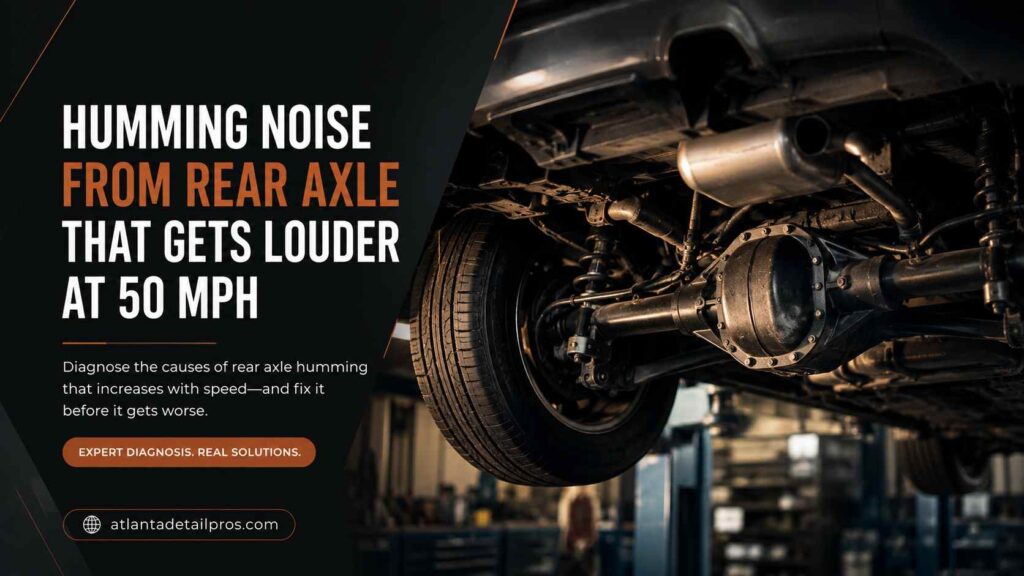
A humming or droning noise that comes from the rear of the vehicle, increases in volume or pitch with speed, and is particularly noticeable around 50 to 60 mph is the textbook symptom of a failing rear wheel bearing. This combination of characteristics, a continuous hum that correlates directly with vehicle speed rather than with […]
Ticking Noise From the Engine Only When Cold That Disappears After Warmup: Causes, Diagnosis, and What to Do
The engine ticks loudly for the first two to five minutes after a cold start and then the noise fades completely as the engine reaches operating temperature. This specific pattern, cold tick that disappears with warmup, is one of the most useful diagnostic clues in automotive troubleshooting because the cold-only behavior points to a specific […]
Is It Safe to Drive With the Check Engine Light Flashing? What It Means and What to Do Now
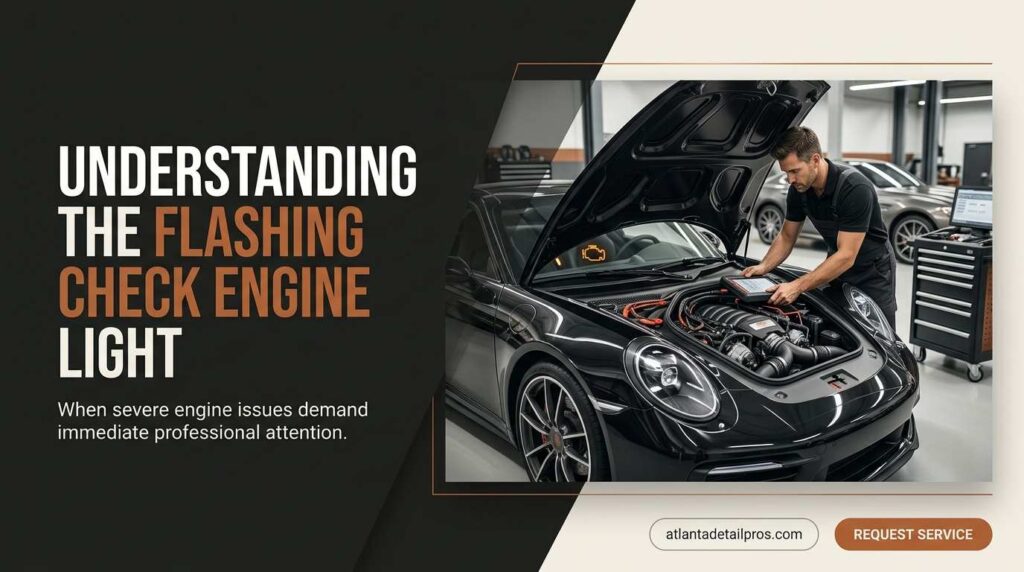
A solid check engine light and a flashing check engine light are not the same warning. They look identical on the dashboard but carry completely different levels of urgency. A solid light means the car has detected a problem and stored a trouble code for a mechanic to read. A flashing or blinking check engine […]
Knocking Noise From the Rear of the Car When Going Over Small Bumps: What’s Causing It and How Serious Is It

A knocking or clunking sound from the rear of the car that occurs specifically when going over small bumps is telling you that something in the rear suspension system has excessive movement when it should not. The bump input compresses or rebounds the suspension, and a component with worn or failed mounting points makes contact […]