How to Diagnose a Bad Fuel Injector at Home Without a Scanner
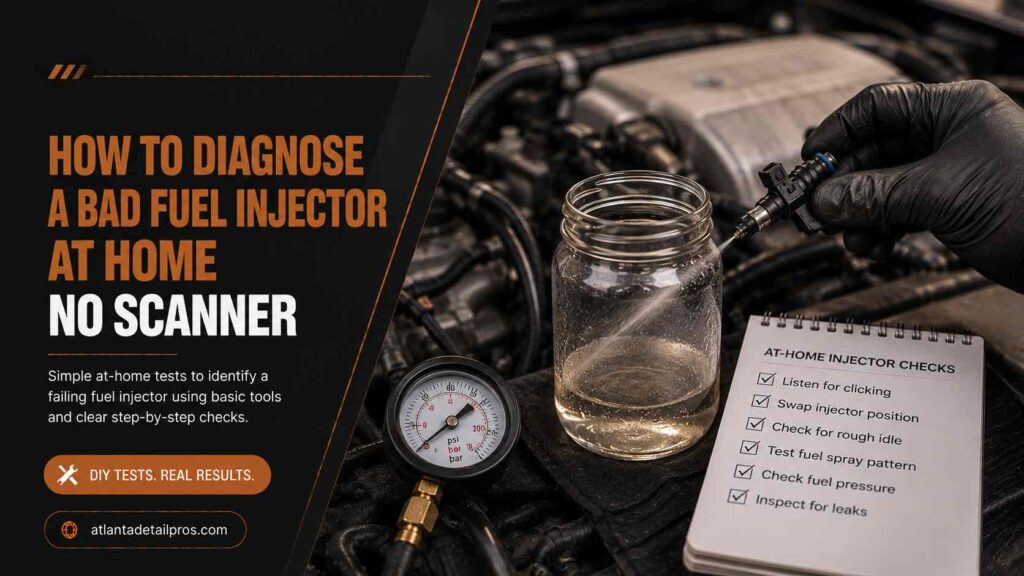
You can diagnose a bad fuel injector at home without a scanner using four tests: the listening test with a long screwdriver or mechanic’s stethoscope, the cylinder balance test by pulling injector connectors one at a time, the resistance test with a multimeter, and a visual inspection of the injector harness and o-rings for obvious […]
How to Diagnose a Wheel Bearing Without Lifting the Car

You can diagnose a failing wheel bearing without lifting the car using the swerve test: while driving at 50 to 60 mph on a safe, empty road, gently weave the vehicle left and right: the noise from a failing wheel bearing increases when weight loads the bad bearing and decreases when weight shifts away from […]
How to Identify Which Cylinder Is Misfiring Without a Scanner
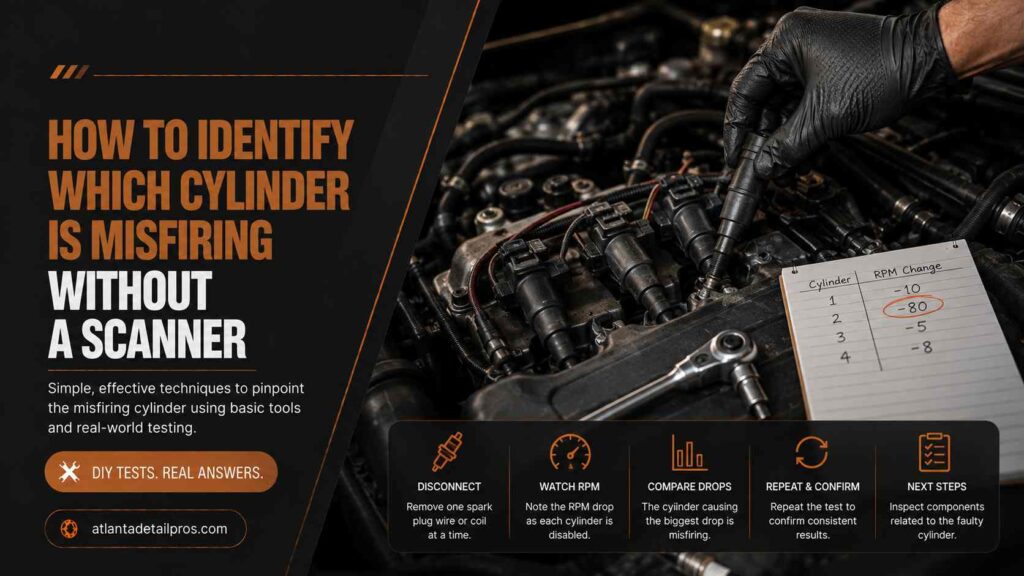
You can identify which cylinder is misfiring without a scanner using the cylinder cut test: with the engine idling, unplug each ignition coil or pull each spark plug wire one at a time and observe the change in idle quality: the cylinder whose disconnection produces no change (or the least change) in idle quality is […]
How to Tell If an EGR Valve Is Clogged: Symptoms, Diagnosis, and Fix
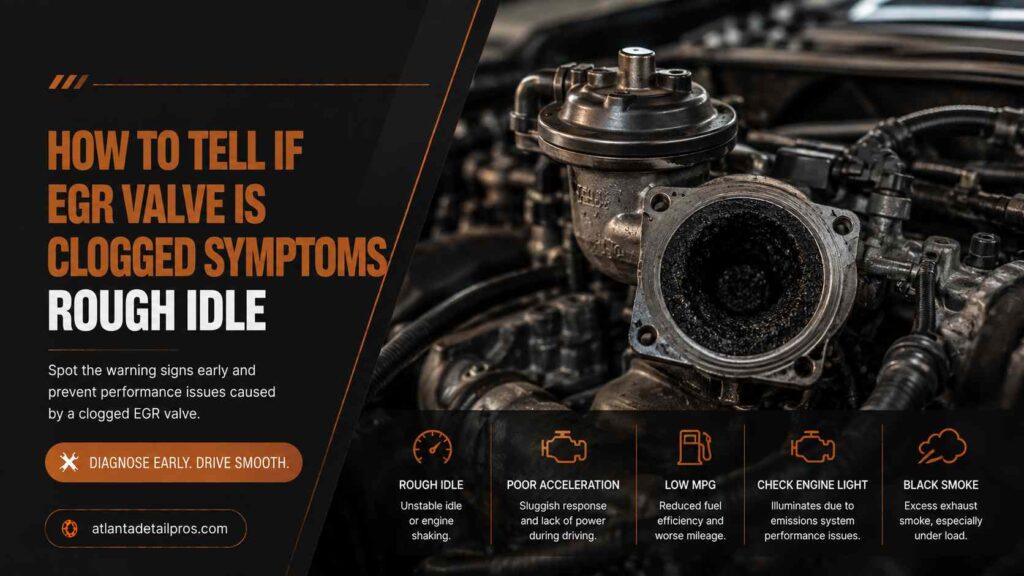
A clogged EGR valve causes a rough idle, particularly at low RPM and at fully warm operating temperature, because carbon buildup either holds the valve partially open (allowing unmetered exhaust gas to dilute the air-fuel mixture at idle) or holds it stuck closed (causing elevated combustion temperatures, increased knock, and ECU timing retard that destabilizes […]
How to Tell If a Fuel Pump Is Failing Before It Dies Completely
A failing fuel pump gives several early warning signs before complete failure: extended cranking time before the engine starts, engine sputtering or surging at highway speed under steady throttle, hesitation or stumble during hard acceleration, and a tendency to stall or lose power in hot weather after extended idling. These symptoms appear because the pump’s […]
How to Tell If a Radiator Cap Is Bad: Pressure Test at Home
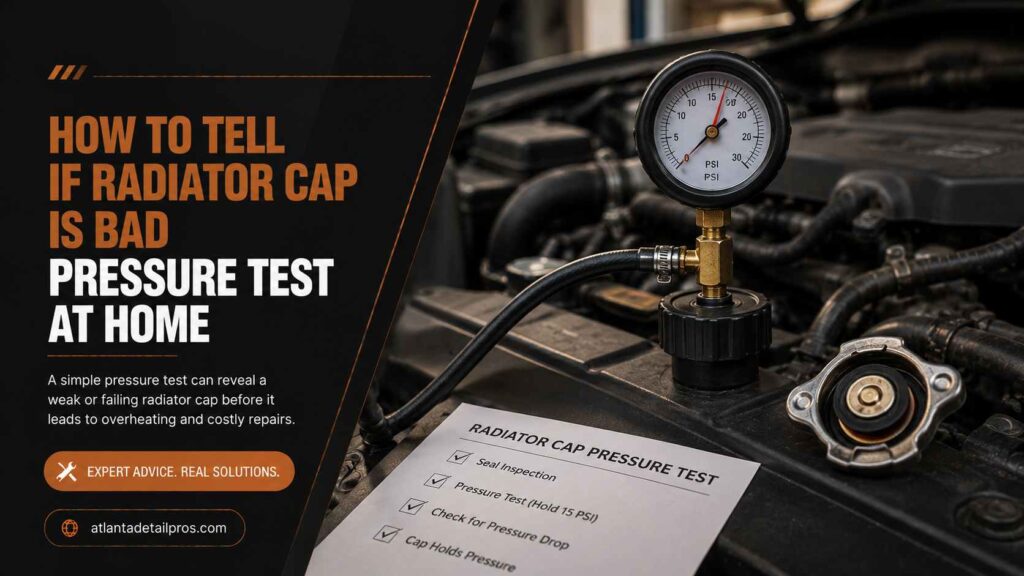
The most reliable way to tell if a radiator cap is bad at home is a visual inspection for seal degradation combined with a pressure test using an inexpensive cooling system pressure tester, which confirms whether the cap holds its rated pressure and releases correctly at the specified threshold. A radiator cap that fails either […]
How to Tell If a Timing Chain Is Stretched: Symptoms, Noise, and Tests
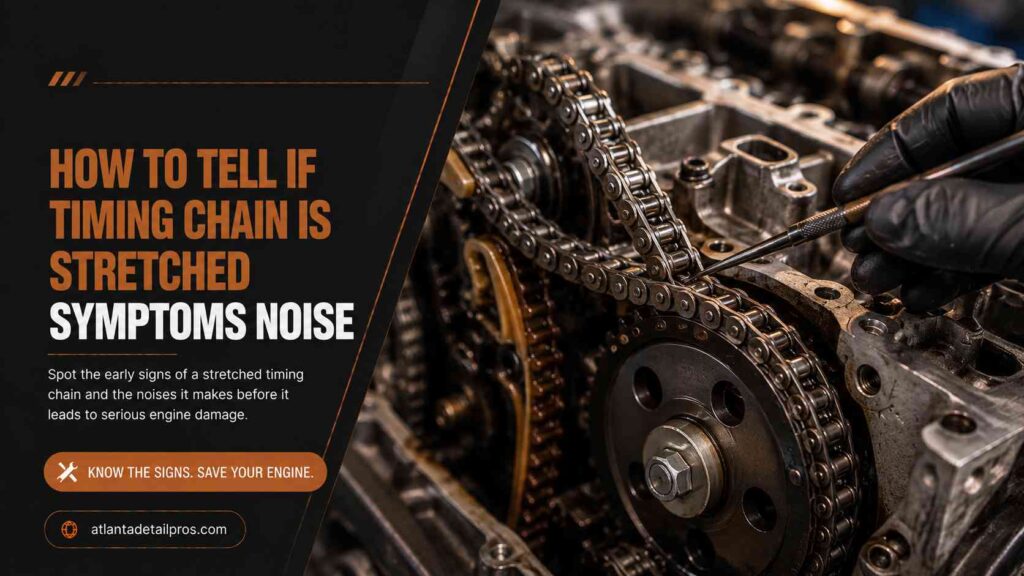
A stretched timing chain produces a characteristic rattling or clattering noise from the front of the engine on cold start that diminishes or disappears after 30 to 60 seconds of running, often combined with stored trouble codes P0016, P0017, P0018, or P0019 (camshaft-to-crankshaft correlation codes) and retarded ignition timing. The cold-start rattle is the most […]
How to Tell If a Torque Converter Is Bad: Shudder or Slipping
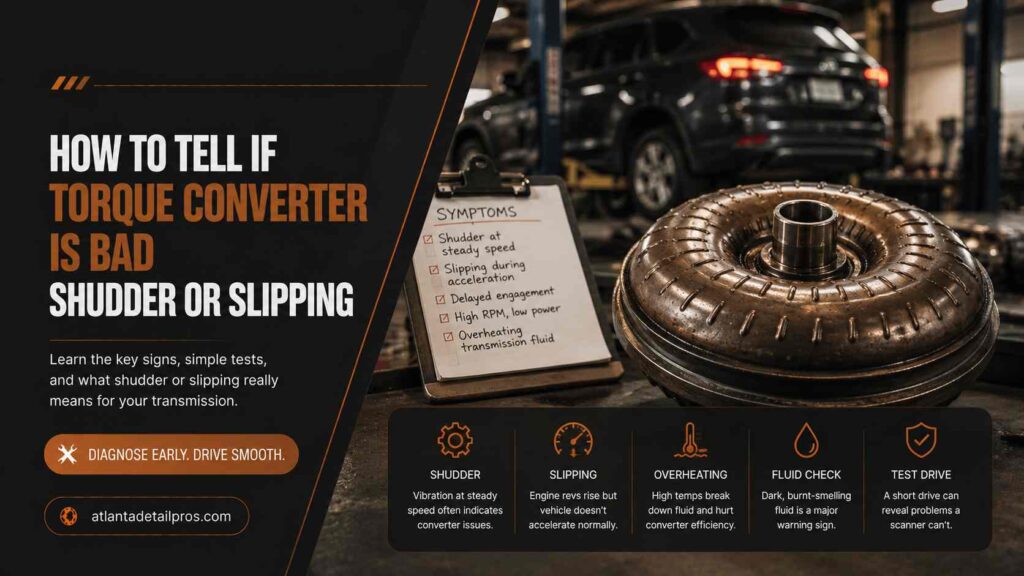
A bad torque converter produces two primary symptoms that most drivers experience before the transmission itself shows any problem: a shudder that feels like driving over rumble strips at light throttle between 30 and 50 mph (caused by the torque converter lock-up clutch failing to engage cleanly), and slipping that presents as RPM flare without […]
How to Test an Alternator With a Multimeter While the Car Is Running
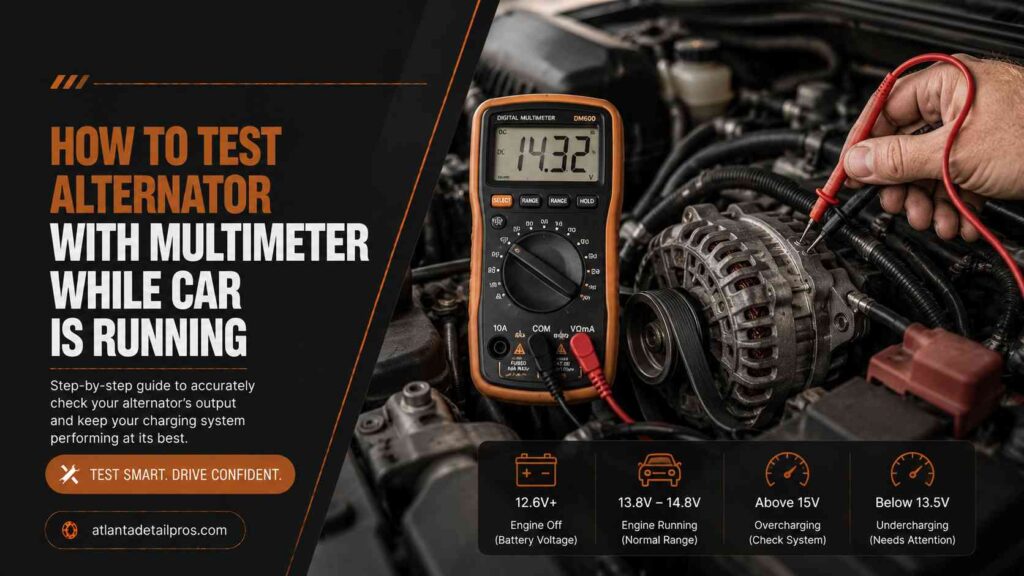
To test an alternator with a multimeter while the car is running, set the multimeter to DC voltage, connect the red probe to the positive battery terminal and the black probe to the negative terminal with the engine running, and read the voltage: a healthy alternator produces 13.5 to 14.7 volts at idle. A reading […]
How to Test Fuel Pressure With a Gauge at Home: Step by Step
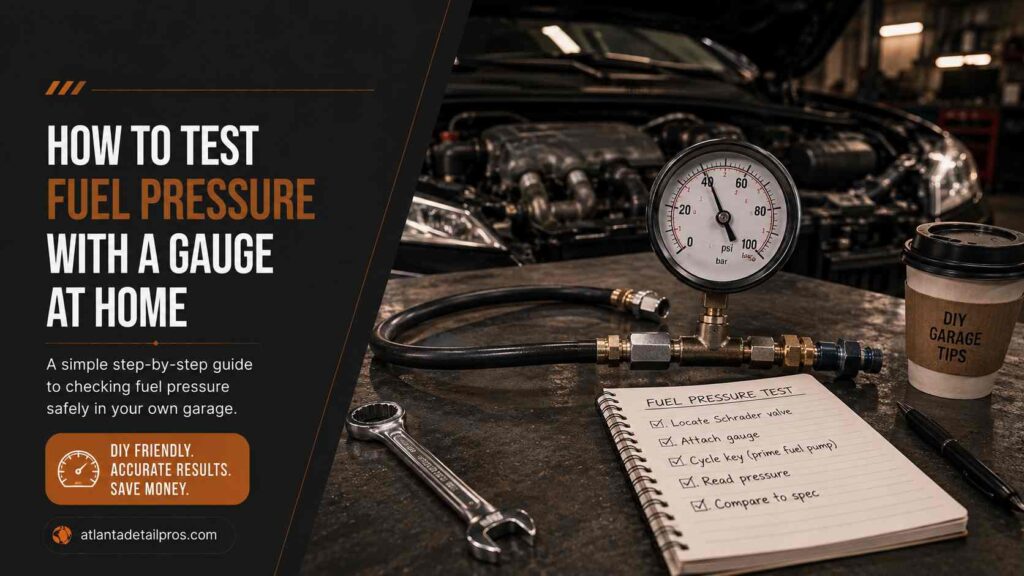
Yes, you can test fuel pressure at home using a fuel pressure gauge kit connected to the Schrader valve on the fuel rail, and the test takes under 15 minutes with a gauge kit that costs $20 to $50 at any auto parts store or borrowed free from most major auto parts chain loan programs. […]