Can You Drive With the Oil Pressure Warning Light Flickering at Startup: Risk You Are Actually Taking
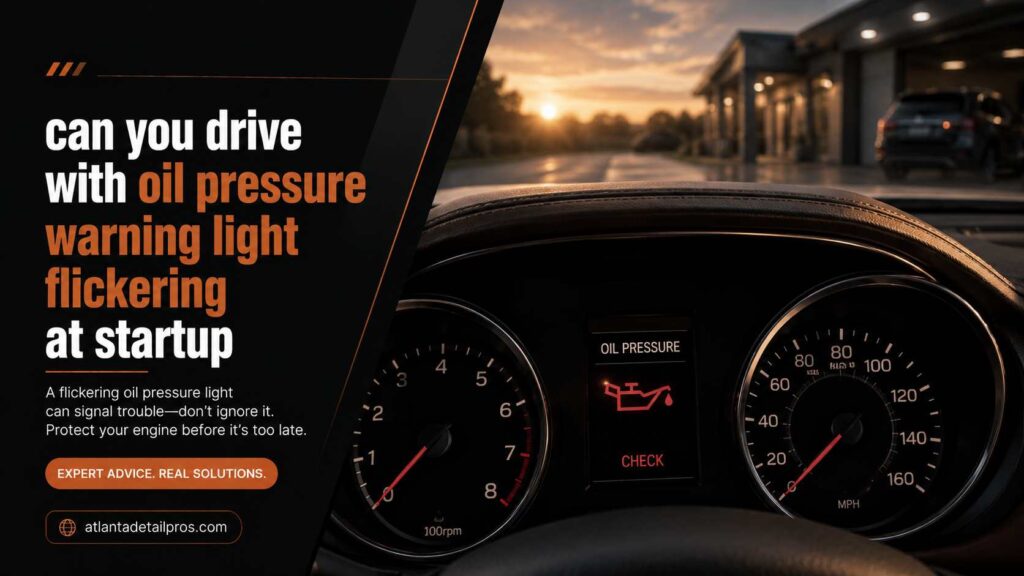
An oil pressure warning light that flickers briefly at cold startup and extinguishes within 3 to 5 seconds is most commonly caused by a slow-responding or failing oil pressure sensor and is often not an immediate driving emergency: a light that persists beyond 10 seconds, returns at warm idle, or appears during normal driving at […]
I Scrapped a 15-Year-Old Truck with a Cracked Frame: Scale Weight vs Flat Quote Results
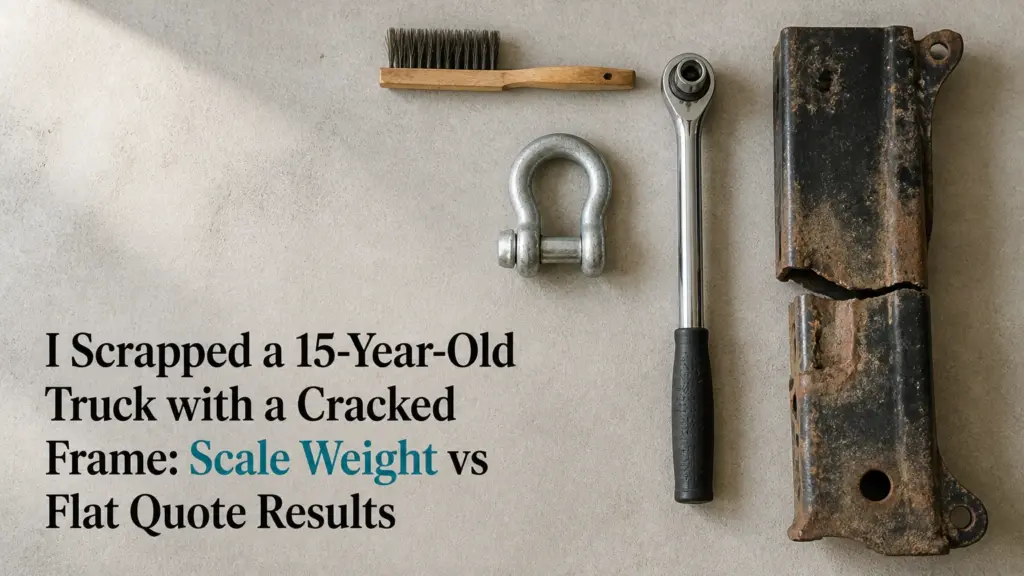
I scrapped a 2009 Chevrolet Silverado 2500HD extended cab 4WD with 148,000 miles and a cracked driver-side frame rail. Six yards quoted it: three used flat rates, two weighed it at $182 per ton, and one used a hybrid method. Flat quotes ranged from $420 to $680. Scale weight offers landed between $481 and $562. […]
Can You Drive With a Broken Motor Mount for Short Distances: Risk, Damage, and the Real Cost of Waiting
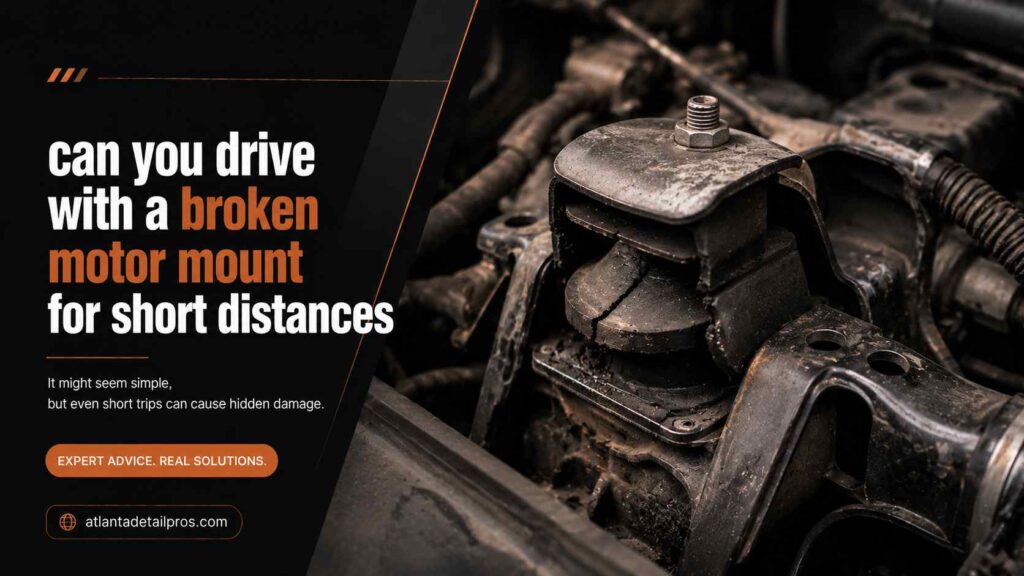
You can drive with a broken motor mount for short distances at low speeds, but every mile increases the risk of secondary damage to surrounding components and, in a worst-case scenario, allows the engine to shift far enough to contact the radiator, snap a CV axle, or tear a coolant hose. The severity depends entirely […]
Can I Drive With the Low Coolant Warning Light On to a Nearby Shop: The Honest Answer
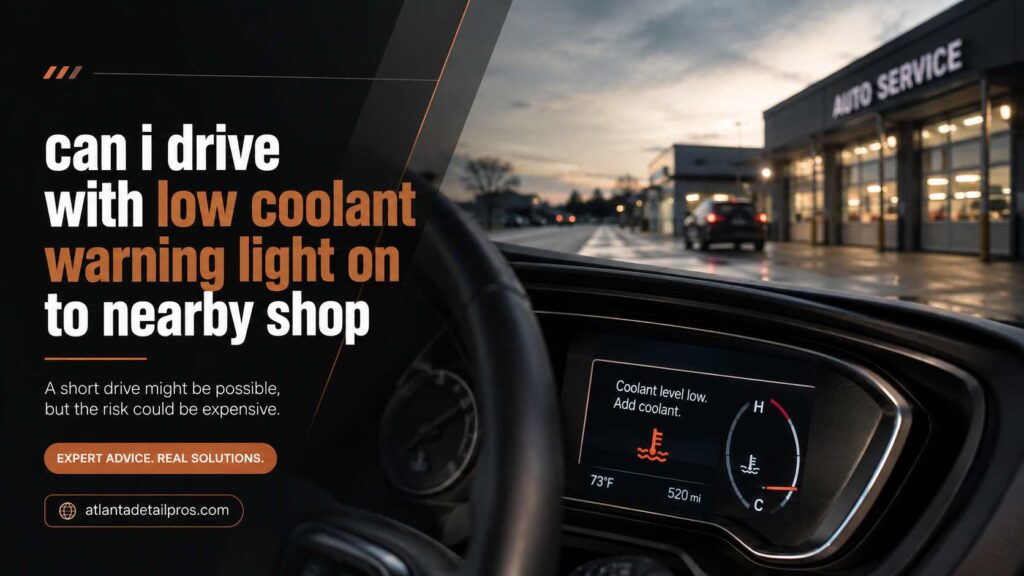
You can drive with the low coolant warning light on to a nearby shop, but only if the engine temperature gauge stays in the normal range, the shop is within 1 to 2 miles, and you are prepared to pull over immediately if the temperature begins to rise. Coolant warnings that appear without any temperature […]
Can I Drive With a Seized Caliper to Get to the Shop: What You Are Actually Risking
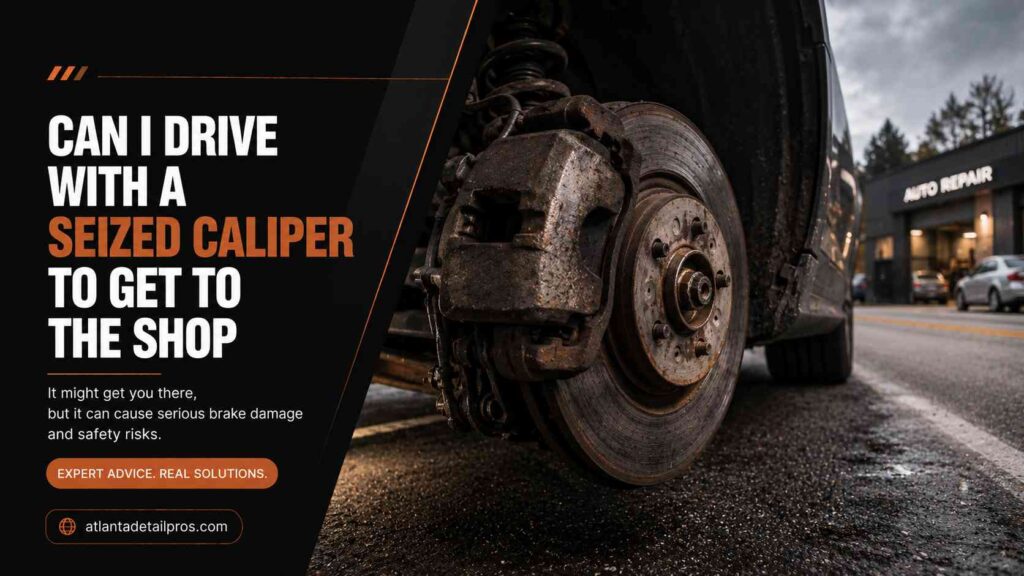
Driving with a seized brake caliper to reach a shop is possible for a very short distance at low speed, but a fully seized caliper that is dragging constantly generates enough heat to warp the rotor, boil the brake fluid, and in severe cases ignite the wheel and tire: if the vehicle pulls sharply to […]
Can I Drive My Car If the Power Steering Pump Is Whining Loudly: What the Noise Means and What Comes Next
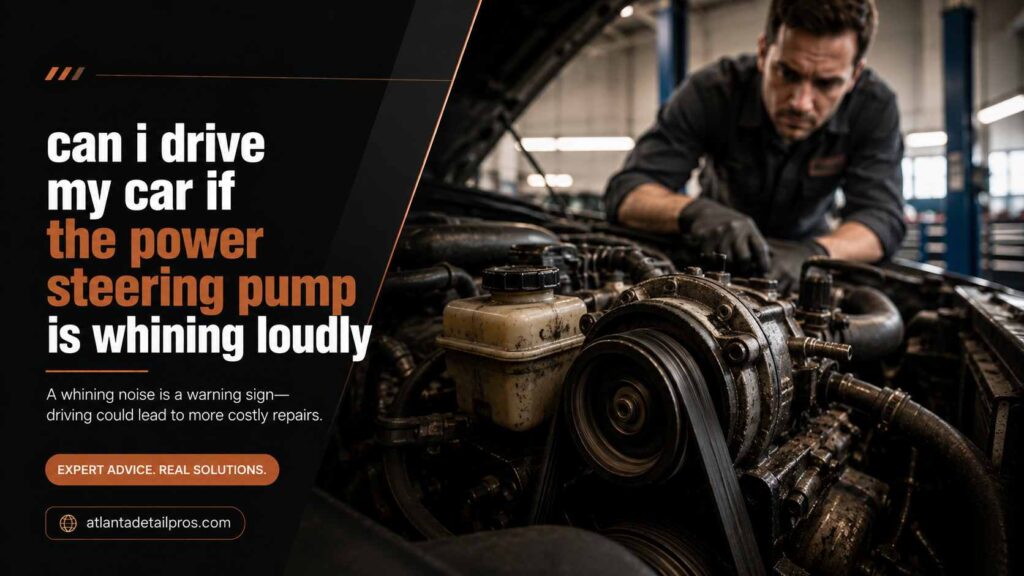
A loudly whining power steering pump means the system is either low on fluid, has air in the lines, or the pump’s internal vanes and bearings are actively failing: continuing to drive accelerates the damage and risks a pump seizure that can snap the serpentine belt and leave you without power assist at exactly the […]
Is It OK to Drive With a Bent Rim on the Highway: Speed, Risk, and What Actually Fails
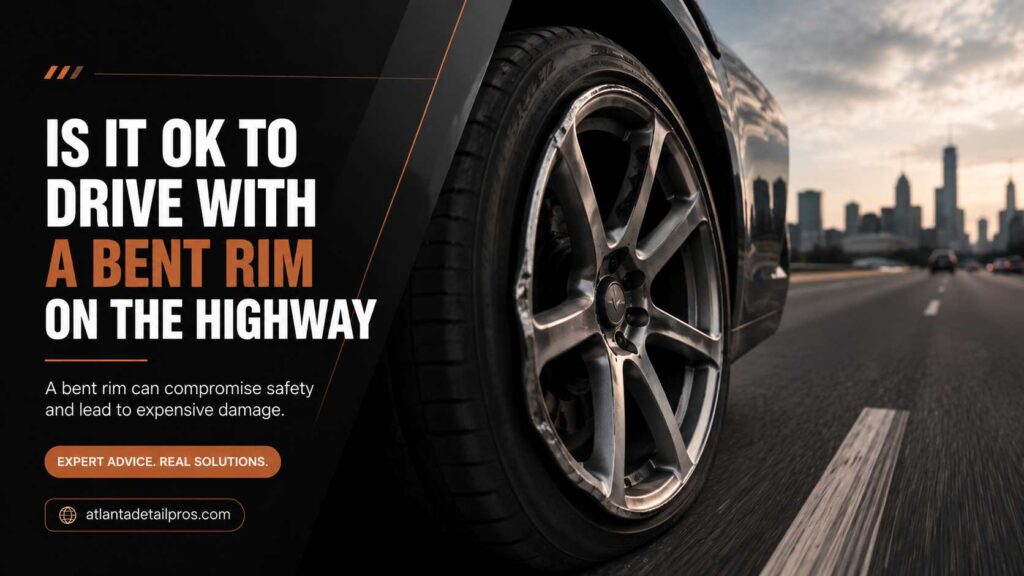
It is not safe to drive with a bent rim on the highway: the combination of highway speeds and a compromised wheel creates a structural failure risk that can cause sudden loss of vehicle control at 65 mph or higher, with no warning before the event. Even a rim that feels manageable at 25 mph […]
Is It Safe to Drive With a Smoking Engine for a Short Distance: What the Color Tells You
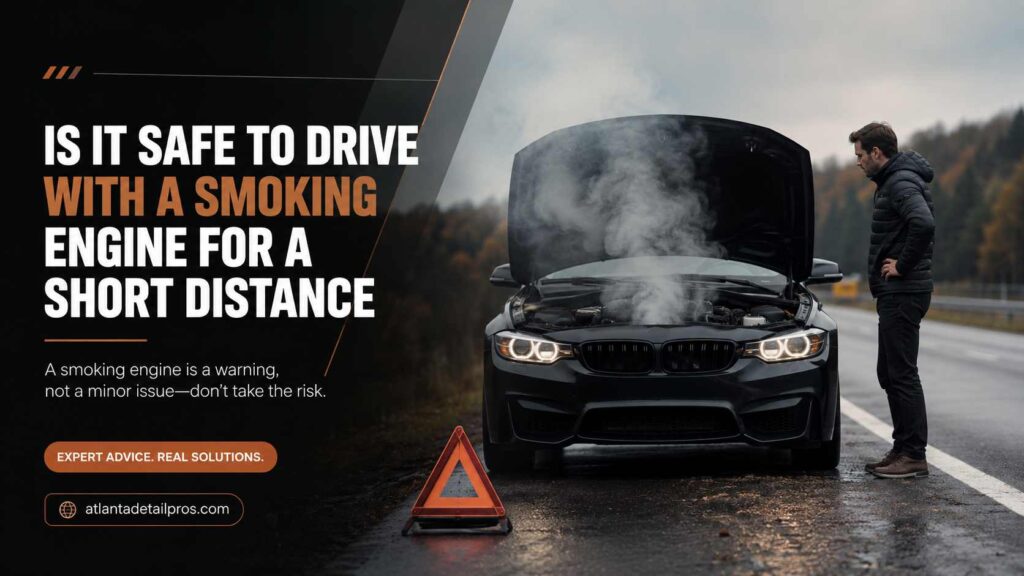
Driving a smoking engine for even a short distance is risky and depends almost entirely on the color and source of the smoke: white or blue smoke signals internal engine damage that will worsen with every mile, while thin black smoke is less immediately catastrophic but still needs same-day attention. The mistake most drivers make […]
Is It Safe to Drive With One Bad Ignition Coil on Short Trips: What Is Actually Happening and How Far You Can Go
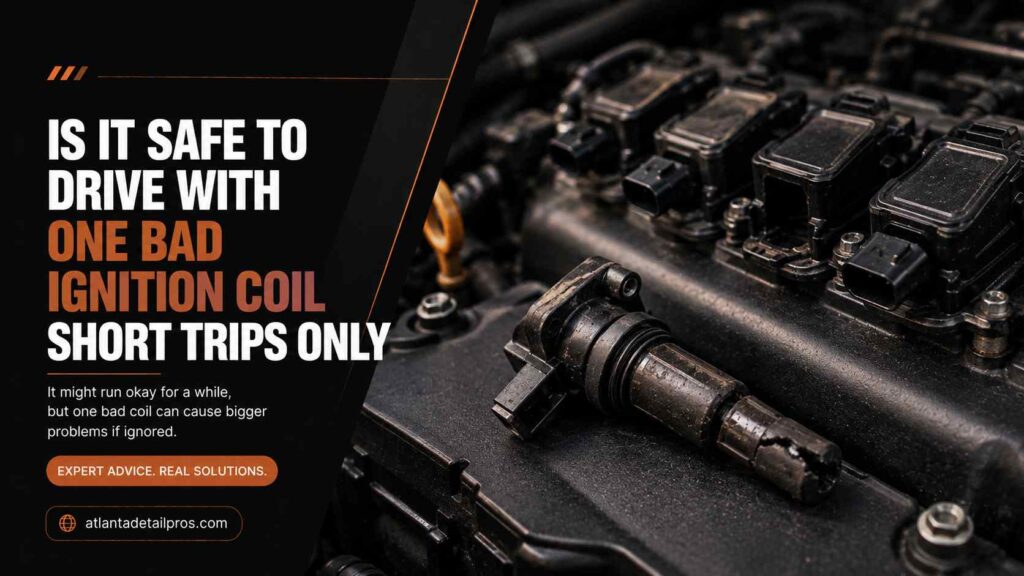
Driving with one bad ignition coil is possible for short trips of 5 miles or less at low RPM, but every mile driven in this condition risks destroying the catalytic converter from raw fuel passing through the misfiring cylinder, and the check engine light will be flashing rather than steady if the converter is in […]
Is It Safe to Drive With Transmission Slipping Occasionally: What the Slip Means and What Comes Next
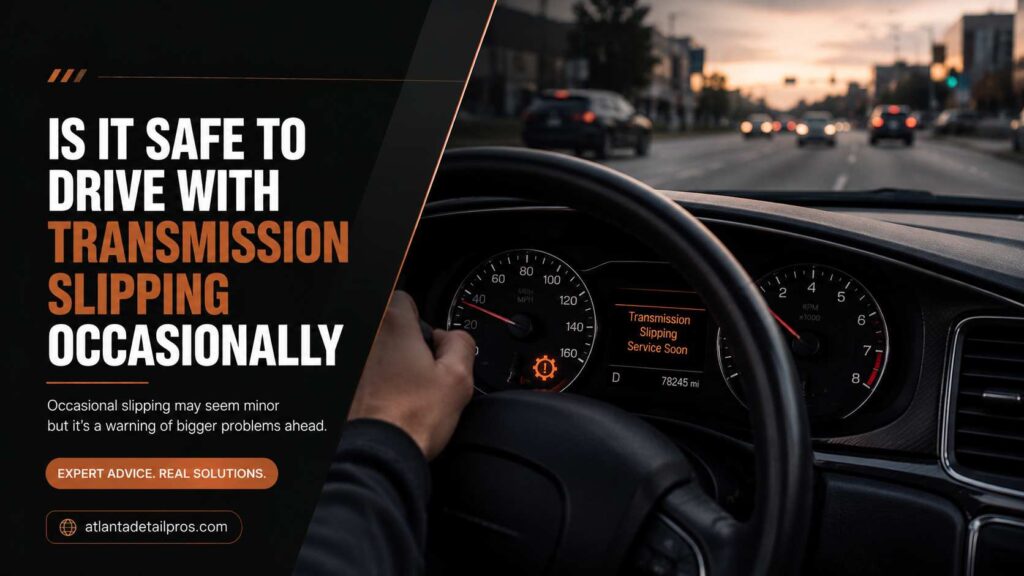
Occasional transmission slipping is not safe to drive through or ignore: even infrequent slip events mean the clutch packs, bands, or torque converter are failing to maintain a positive gear engagement, and each slip episode accelerates the internal damage that leads to complete transmission failure. The word “occasional” gives many drivers false reassurance. In transmission […]